Monday, March 21, 2011

Kiribati and climate change

Kiribiti is a coral atoll , it contains 33 islands and around 100,000 people live there.
The average hieght above sea level is 2m.

What are some of the issues?

  • Overpopulation and sustainability, rising sea levels and climate change will occur before 2030.
  • Climate change will be caused by global warming and the rising sea levels.
  • The country cant grow much fresh produce because plants won't grow in the salty water.
  • As the times goes on there are more and more storms occuring and they are becoming quite violent and are starting to eat away at the island.
  • Lack of fresh water supply.
  • Storm surgues, drought and erosion
  • Government is educating the people and making them more appealing refugees
  • Navy training and nursing is also being taught.

Wheelchairs for students with special needs in Kiribiti- Aus aid

Wednesday, March 2, 2011

The cycle of poverty

What is the cycle of poverty?
The cycle of poverty has been described as a phenomenon where poor families because trapped in poverty for generations.
Because they have no or limited access to critical resources such as;
©       Educational services
©       Financial services
Subsequent generations are also impoverished
There are multiple cycles of poverty- based on, among other things,
©       Economic
©       Social
©       Spiritual
©       Geographical factors
Many cycles overlap or perpetuate new cycles and therefore any attempt to depict the cycle of poverty will be far more simplistic then realistic.
The figure below shows- in very simplistic terms- how a cycle of poverty related to hunger keeps a person or household poor in one of the world’s developing countries.
the 8+ goals
In the year 2000, Koffi Annan former General secretary of the United Nations suggested that we could do something to end world poverty, 189 countries meet and agreed that by september 2015 they would achieve 8 goals toward ending general poverty.
these are:
  • Erradicate extreme hunger and poverty
  • Achieve universal primary education
  • Promote gender equality and empower women
  • Reduce child mortality
  • Improve maternial health
  • combat diseases
  • ensure enviromental sustainability
  • develop a global partnership


Monday, February 21, 2011

global solidarity

catholic social teaching proclaims that we are our brothers and sister's keepers, wherever they live. we are one human family, whatever our national or racial differences. Solidarity means loving our neighbour.

Constructive role for governmeent
because we are social beings the state is natural to a person. Therefore, the state has a positive moral function. it is an instrument to promote human dignity, protect human rights and build the common good.
One of the key funictions of government is to assist citizens in fulfilling their responsibility to others in society. Since, in a large and complex society. Since, in a large and complex society these responsibilities cannt adequately be carried out on a one-to-one basis, citizens need the help of government in fulfilling these responsibilities and promoting the common good.
Dignity of Work/Rights of Workers
The economy must serve people, not the other way around. All workers have a right to productive work, to decent and fair wages, and to organize and join unions.
People have a right to economic initiative and private property, but these rights have limits. No one is allowed to amass excessive wealth when others lack the basic necessities of life.
Stewardship of creation
catholic tradition insists that we show our respect for the creater by our stewardship of creation. The goods of the earth are gifts from God, intended for the benefit of all.
we humans are not the ultimate owners of these goods, but rather, the temporary stewards. we are entrusted with the responsibility of caring for these gifts and preseving them for future generations.

Key Principals of Catholic teachings

Human Dignity
Belief in the inherent dignity of the human person is the foundation of all Catholic social teaching. Human life is sacred, and the dignity of the human person is the starting point for a moral vision for society.
The principle of human dignity is grounded in the idea that the person is made in the image of God. The person is the clearest reflection of God among us. We are required to honor the human person, to give priority to the person

Community and the Common Good
In a culture driven by excessive individualism, our tradition proclaims that the person is not only sacred but also social. Human dignity can only be realised and protected in the context of relationships with the wider society.
How we organise our society, in economics and politics, in law and policy, directly affects human dignity and the capacity of individuals to grow in community. The obligation to "love our neighbor" has an individual dimension, but it also requires a broader social commitment. Everyone has a responsibility to contribute to the good of the whole society, to the common good.

Rights and Responibilities
Every person has a fundamental right to life and a right to those things required for human decency-starting with food, shelter and clothing, employment, health care, and education.

Option for the Poor and the Vulnerable
A basic moral test of society is how it treats its most vulnerable members. The poor have the most urgent moral claim on the conscience of the nation.
The obligation to evaluate social and economic activity from the viewpoint of the poor and the powerless arises from the radical command to love one's neighbor as one's self.
The option for the poor is an essential part of society's effort to acheive the common good. A healthy community can be acheived only if it's members give special attention to those with special needs, to those who are poor and on the margins of society.

Participation
All people have a right to participate in the economic, political, and cultural life of society. it is fundamental demand of justice and a requirement for human dignity that all people be assured a minimum level of participation in the community.

Promotion of Peace
Pope John Paul II, "Peace is not just the absence of war. It involves mutual respect and confidence between peoples and nations. It involves collaboration and binding agreements."


global solidariy

catholic social teaching proclaims that we are our brothers and sister's keepers, wherever they live. we are one human family, whatever our national or racial differences. Solidarity means loving our neighbour.

Constructive role for governmeent
because we are social beings the state is natural to a person. Therefore, the state has a positive moral function. it is an instrument to promote human dignity, protect human rights and build the common good.
One of the key funictions of government is to assist citizens in fulfilling their responsibility to others in society. Since, in a large and complex society. Since, in a large and complex society these responsibilities cannt adequately be carried out on a one-to-one basis, citizens need the help of government in fulfilling these responsibilities and promoting the common good

Wednesday, February 9, 2011

The Global issue water

Our global issue is WATER!
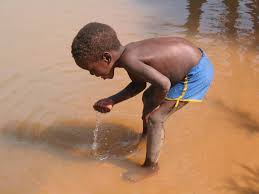
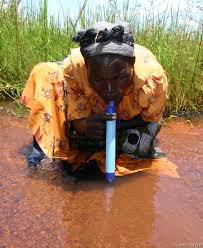
Water is the essence of life; we use water in our day to day lives without it the human race would die out aswell as the millions of animals that inhabit the earth.  Water covers more then 70% of the worlds surface yet many billions of people die every year because they cant get access to fresh drinking water. Some people in the world don’t have easy access to water that is clean and healthy. Many people, mostly living in developing countries, only have access to dirty water which would be contaminated with germs and diseases.  If people are ill from drinking bad water, they aren’t able to attend work; school etc therefore those people would not be able to make money.
As water becomes scarcer, people begin to start arguments about who gets the water. It is necessary for water to be shared equally and resourcefully otherwise people will not be getting the water they need and or getting extremely sick from the water they are drinking. Natural disasters also affect our water systems in bad ways. Flooding can contaminate the drinking systems or a drought could wipe out the water altogether.
Here are some facts
·         1 billion people don’t have safe drinking water
·         2.8 billion Don’t have good sanitation
·         1.8 million People die each year from diarrhoeal diseases and 90% those people are children under the age of 5!
Australia’s government is trying to target certain problems including this water issue. Their aim is to reduce poverty and raise the living standards in developing countries.
What are they doing about it ?
1)         Water government -managing the sustainable use of water
2)         Delivery Systems-improving the efficiency of existing water systems while increasing the access to water and sanitation services.
Who is doing something about this issue?
We can donate to charities such as world vision and caritas who are doing tremendous work in 3rd world countries to try and get water pumps in towns.
We can make people more aware of the challenges that the people that live in 3rd world countries have to face every day.
Sunday, February 6, 2011

Lady Justice

blindfolded lady with sword in right hand held vertically down to floor, and a set of balance scales in her left hand held neck highLady Justice is the god of justce in Rome.
Lady Justice is often depicted wearing a blindfold, she wears this blindfold to show that no matter if you are poor, rich, a jew or a muslim you are treated fairly-the judicial system does not play favorites.
Lady Justice also carries scales to symbolise the balance between good and evil.
Lady Justice carries the sword to symbolise reason and justice.